
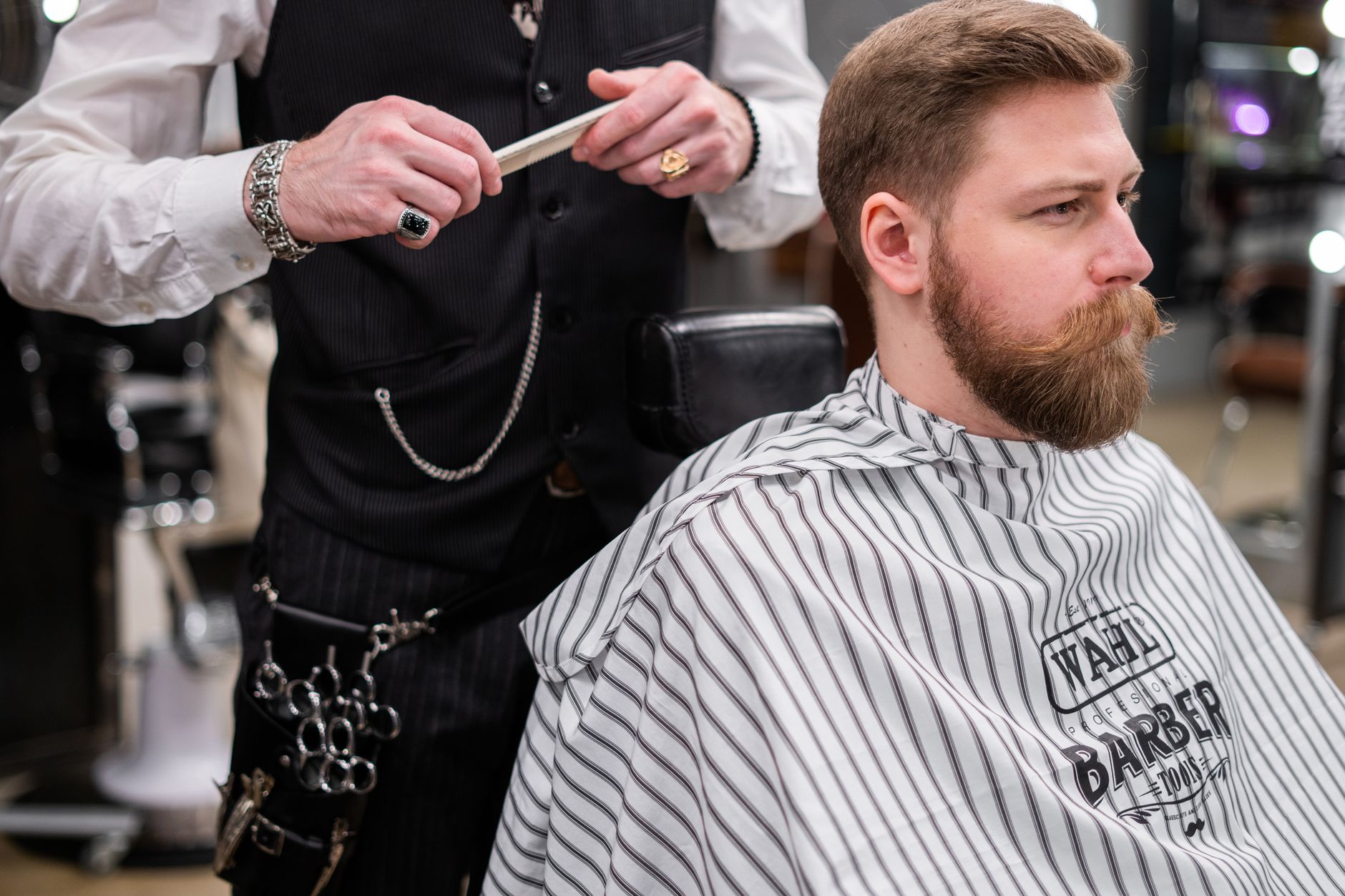
Beard and eyebrow transplants have quietly become one of the fastest-growing requests we arrange, and they use the same core FUE technique as scalp hair transplants — but getting a natural result depends on rules that have nothing to do with scalp work.
Why direction and angle matter more here than anywhere else
Scalp hair mostly grows in one general direction, but beard hair changes direction dramatically across the jaw and chin, and eyebrow hair grows in several distinct directions within a space of just a few centimetres. A surgeon experienced specifically in facial transplants plans graft angle and direction individually, follicle by follicle, rather than applying a single template.
Where the donor hair actually comes from
Grafts are typically taken from the scalp, since scalp hair is genetically permanent and matches reasonably well in texture once trimmed. For beards specifically, some surgeons also use fine body hair when a closer texture match is needed for patchy areas — this is worth asking about directly if you have specific patchy zones you want addressed.
The recovery timeline, realistically
Surgery takes 3-5 hours depending on graft count, with most patients needing only about 2 days in-country. Small scabs form around each graft and fall away within about a week, and transplanted hair sheds within a few weeks before regrowing permanently starting around month 3-4.
What actually separates a natural result from an obvious one
- Whether the surgeon has a specific portfolio of facial (not just scalp) transplant results to show you
- Whether graft placement accounts for your natural hair whorl patterns, not a uniform grid
- Realistic density expectations — facial transplants often need a touch-up session for full density, and a clinic should say so upfront