
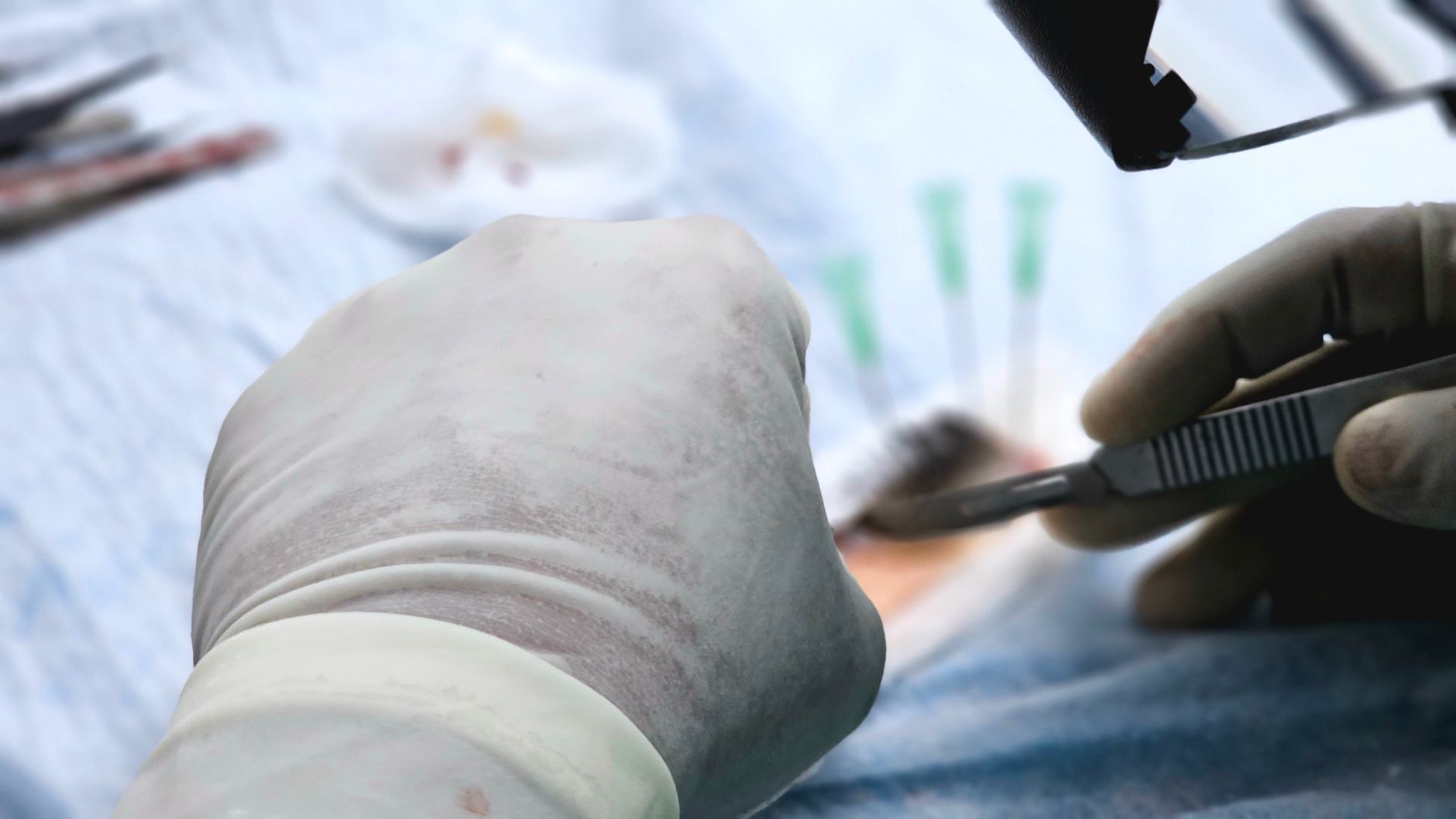
FUE and DHI are the two techniques behind almost every modern hair transplant, and the marketing around both can make them sound like completely different procedures. In reality, they share the same first step and differ mainly in what happens next.
What's identical in both techniques
Both FUE (Follicular Unit Extraction) and DHI (Direct Hair Implantation) begin the same way: individual hair follicles are extracted one at a time from a donor area, usually the back of the scalp, leaving no linear scar — a meaningful improvement over the older strip-harvesting method still used in some lower-cost clinics.
Where the techniques actually diverge
In FUE, extracted follicles are collected first, and small recipient-site incisions are made before the grafts are implanted by hand. In DHI, a specialised pen-like tool (often called a Choi pen) implants each follicle directly into the scalp immediately after extraction, without a separate incision step — which is what allows DHI to work without shaving the entire donor or recipient area in many cases.
What this actually means for you
- DHI generally allows for a higher graft density per session, since the implantation angle and depth are controlled more precisely
- DHI is typically the better fit if you want to avoid a full shave, useful for patients who can't take visibly obvious time off
- FUE is usually faster for larger sessions (2,000+ grafts) and is often the more cost-effective option
- Both have similar graft survival rates when performed by an experienced team — the technique matters less than the surgeon's skill
The question that actually matters more than the technique name
Ask how many grafts your specific case needs and why, and how many procedures using that exact technique the surgeon performs per month. A surgeon confident in either technique will explain the trade-off honestly rather than pushing whichever one their clinic happens to specialise in.